

Tabletop Games: An Exploration of Strategy, Creativity, and Social Interaction
Tabletop games have been an enduring form of entertainment, offering a unique blend of strategic thinking, creativity, and social interaction. These games, ranging from traditional board games to intricate role-playing adventures, provide an escape into worlds where anything is possible. Unlike digital games, the tactile and communal nature of tabletop games creates a distinctive experience that continues to attract enthusiasts from all walks of life.
The Historical Evolution of Tabletop Games
The history of tabletop games stretches back thousands of years, with early examples like the ancient Egyptian game Senet or the Roman game of Ludus Latrunculorum. These games set the stage for the strategic depth and social enjoyment that modern tabletop games offer. Over time, new games have emerged, reflecting cultural shifts and technological innovations, yet maintaining the core principles of competition and camaraderie.
From Chess to Modern Board Games
Chess is arguably the most famous tabletop game in history, renowned for its strategic depth and skill requirement. Its enduring popularity has paved the way for modern board games that build upon these foundations with additional layers of complexity and thematic elements. Titles like "Settlers of Catan" and "Ticket to Ride" have become household names, showcasing the genre’s capacity for innovation and its widespread appeal.
The Role of Strategy and Skill in Tabletop Gaming
At the heart of many tabletop games is the element of strategy, which challenges players to think critically and plan their moves carefully. Games such as "Risk" or "Pandemic" require players to cooperate or compete, fostering an environment where strategic planning becomes crucial. This aspect not only enhances the replayability of the game but also provides players with a sense of accomplishment and growth.
Strategy in tabletop gaming is not limited to direct competition. Cooperative games emphasize teamwork and collective problem-solving, offering a fresh take on traditional competitive dynamics. The ability to work together towards a common goal strengthens social bonds and encourages communication and collaboration among players.
Creativity and Role-Playing in Tabletop Games
The aspect of creativity is another vital component of tabletop gaming, especially within the realm of role-playing games (RPGs) like "Dungeons & Dragons." These games provide an open-ended narrative experience, allowing players to immerse themselves in carefully crafted worlds and character roles. RPGs rely heavily on participant imagination, effectively transforming each game session into a unique storytelling adventure.
Role-playing games also offer players the opportunity to explore different aspects of their personality and experiment with decision-making in a controlled environment. This level of engagement fosters a deeper level of immersion and emotional investment in the game’s outcome.
Tabletop Games in the Digital Age
In recent years, digital platforms have begun to incorporate elements of tabletop gaming, merging traditional mechanics with technological advancements. Digital versions of popular board games and online multiplayer modes have expanded the accessibility and reach of tabletop games. Platforms like 456BET.COM platform-Oficial Slots Brasil highlight how traditional games can evolve and integrate with contemporary technology, bringing a fresh perspective to gaming experiences.
The rise of online gaming communities and streaming platforms has further contributed to the resurgence of interest in tabletop games. Gamers can now connect with a global audience, sharing strategies and stories, and fostering a unified community that transcends geographical barriers.
Social Aspect: Bringing People Together
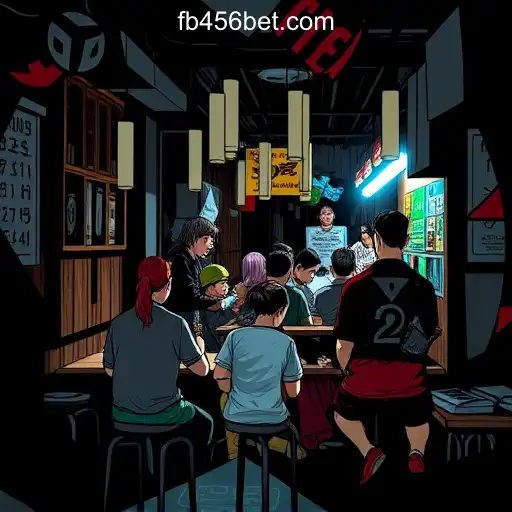
Perhaps one of the most compelling appeals of tabletop games is their ability to bring people together. Whether it’s a family game night or a competitive tournament, these games provide an opportunity for social interaction and connection. The tangible nature of physical dice, cards, and boards fosters an intimate and engaging atmosphere, unlike any other entertainment form.
Through shared experiences and challenges, tabletop games can strengthen relationships, create lasting memories, and encourage a sense of belonging. For many, the social aspect is what draws them back to the table repeatedly, seeking the joy of camaraderie and friendly competition.
The Future of Tabletop Gaming
The future of tabletop games seems promising as it continues to attract a diverse audience, inviting them to experience its unique blend of strategy, creativity, and social engagement. As digital platforms like 456BET.COM platform-Oficial Slots Brasil explore new possibilities within the gaming industry, they will likely continue to influence how these traditional games evolve, creating innovative experiences for both seasoned gamers and newcomers alike.
In conclusion, tabletop games represent a rich and varied gaming tradition that bridges the past and present, offering enjoyment, challenge, and social interaction. Whether you're a veteran player or new to the world of tabletop games, there’s something undeniably enchanting about gathering around a table, ready to embark on an adventure, with friends and family at your side.